


 |
| Image via wallike.com |
When I think of fall, I think of the trees changing color from blazing greens to yellows, oranges, and vermillion. The foods that we harvest are the colors of autumn - squashes drenched in orange and yellow skins enticing our senses and cultivating comfort and nourishment.
Ayurveda, the ancient healing system of India, honors the five elements (ether, air, water, fire, earth), which are a part of every living being. Ayurveda also uses the three doshas (vata, pitta, kapha), the intrinsic constitutions explaining our physical, emotional and mental state of being. Vata being air and ether, pitta fire and water, and kapha water and earth.
In order to create health, we are all working to balance these five elements within our bodies. The fall being cold and dry (or cold and damp depending on where you live) begs us to seek out earthy, comforting, warming, nourishing foods that will sustain us through this season of cold weather.
As we depart from the summer months, we naturally want to cleanse before the fall comes. It is important to keep our digestive fire active during this time so that we don't build up toxins, which can settle into our gut, causing disease. There are many ways to cleanse. One way is to start by eliminating inflammatory foods, which create "ama" (or toxins) in the system - foods like dairy, wheat, sugar and cold drinks. Sipping warm water throughout the day can be beneficial, as well as taking homemade ginger tea after a meal.
In the fall, eating a vata-reducing diet is suggested. Vatat has dry and cold qualities; therefore, the foods we eat need to be the opposite - nourishing and warming with sweet, salty and sour flavors. Thing soup!
 |
| Image via huffingtonpost.ca |
- Rice
- Quinoa
- Gluten-free oats
- Vegetables including: cabbage, cauliflower, squash, green beans, okra, pumpkin, cucumber, tomatoes, zucchini, sweet potatoes and leafy greens (cooked, not raw!)
- All oils, including ghee and sesame oil
- Mung dal
- Split peas
- Red lentils
- Fruits including: apricots, bananas, berries, coconut, dates, figs, peaches (stewed fruit especially!)
- Soups made with bone broth and seaweed
- Fermented foods like yogurt, kefir and sauerkraut
- Spices such as ginger, cinnamon, garlic, fenugreek, basil and cumin
Here are three great recipes for incorporating these foods into your diet...
 |
| Image via rebootwithjoe.com |
Ingredients:
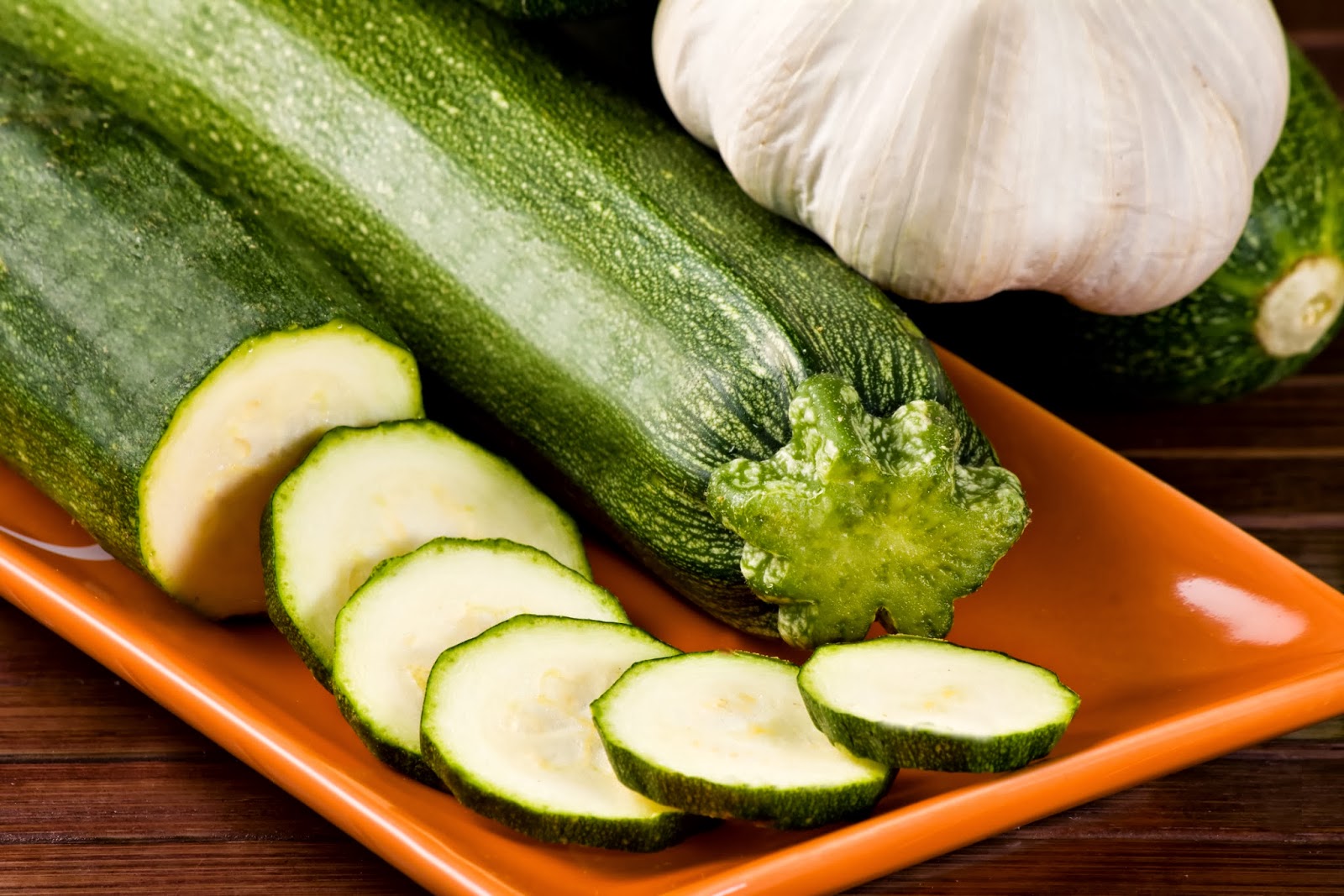
5 large zucchini squash
1 large onion
1 clove garlic
1 bunch kale
2-3 red potatoes
2-3 red potatoes
1 handful of seaweed of choice
Ghee (ie. clarified butter)
Water
Pinch of Cumin
Pinch of Coriander
*Chop all vegetables
*Add ghee to soup pot and heat
*Add cumin, coriander, onion and garlic to ghee and saute
*Add zucchini, kale and potatoes
*Add purified water to cover all of the vegetables (be careful not to add too much water - you will need about 5 cups)
*Let cook on a low simmer until the zucchini is cooked all of the way through
*When the vegetables are finished cooking, cool the ingredients
*Blend the soup in a blender or with an immersion blender
*Then, reheat the soup adding salt, pepper, ghee and additional spice to taste
GINGER TEA
Ingredients:
Whole, fresh ginger
3 Cups Purified Water
*Peel and slice ginger
*Simmer in water for 30-40 minutes
*Add local organic honey to taste
Pinch of Cumin
Pinch of Coriander
*Chop all vegetables
*Add ghee to soup pot and heat
*Add cumin, coriander, onion and garlic to ghee and saute
*Add zucchini, kale and potatoes
*Add purified water to cover all of the vegetables (be careful not to add too much water - you will need about 5 cups)
*Let cook on a low simmer until the zucchini is cooked all of the way through
*When the vegetables are finished cooking, cool the ingredients
*Blend the soup in a blender or with an immersion blender
*Then, reheat the soup adding salt, pepper, ghee and additional spice to taste
Ingredients:
Whole, fresh ginger
3 Cups Purified Water
*Peel and slice ginger
*Simmer in water for 30-40 minutes
*Add local organic honey to taste
FRUIT COMPOTE
Ingredients:
Handful of dried prunes, apricots, raisins
2 Cinnamon sticks
2-3 Cloves
3-5 Slices fresh ginger
3-4 Cups purified water
*Add all ingredients to water and simmer on low seat
*Cook until all ingredients are thoroughly cooked and soft
*Serve over rice, oats or quinoa
For more information, I recommend reading Food as Medicine: The Theory and Practice of Food by Todd Caldecott and Ayurvedic Healing Cuisine by Harish Johari.
 Elizabeth Farrell is the practice manager for UnityMedicine-Integrative Medicine and Ayurveda. She is also a health coach, yoga teacher, Reiki Master, lover of essential oils and writer. She is known for her impromptu dinner gatherings and freshly baked cookies. You can find her online at www.sisterhawkreiki.wordpress.com and coming soon - Nourished by Elizabeth Farrell.
For more information, I recommend reading Food as Medicine: The Theory and Practice of Food by Todd Caldecott and Ayurvedic Healing Cuisine by Harish Johari.


